A Continent of Contrasts
Australia is not a destination — it's a continent. Its vastness is the first thing to reckon with: the country is roughly the same size as continental USA, but with a population of 26 million concentrated almost entirely around the coastal cities. The interior — the red desert known as the Outback — is one of the most ancient, spare, and photogenic landscapes on Earth.
Planning an Australian trip requires choices. The east coast (Sydney, Melbourne, Brisbane, Great Barrier Reef) is the well-trodden path. The west (Perth, the Kimberley, Margaret River) rewards the extra journey with fewer crowds and some of the continent's most dramatic scenery. The Red Centre (Alice Springs, Uluru) is a world apart entirely.
Key Regions for Photography
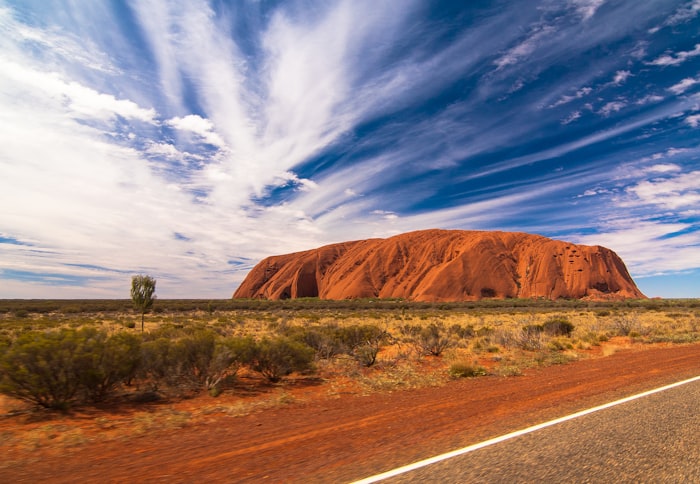
- Uluru–Kata Tjuta (Northern Territory): The iconic red sandstone monolith changes colour dramatically at sunrise and sunset — from pale gold to deep crimson. Stay for both; they're completely different experiences. Note: climbing Uluru is permanently closed out of respect for its sacred significance to the Anangu people.
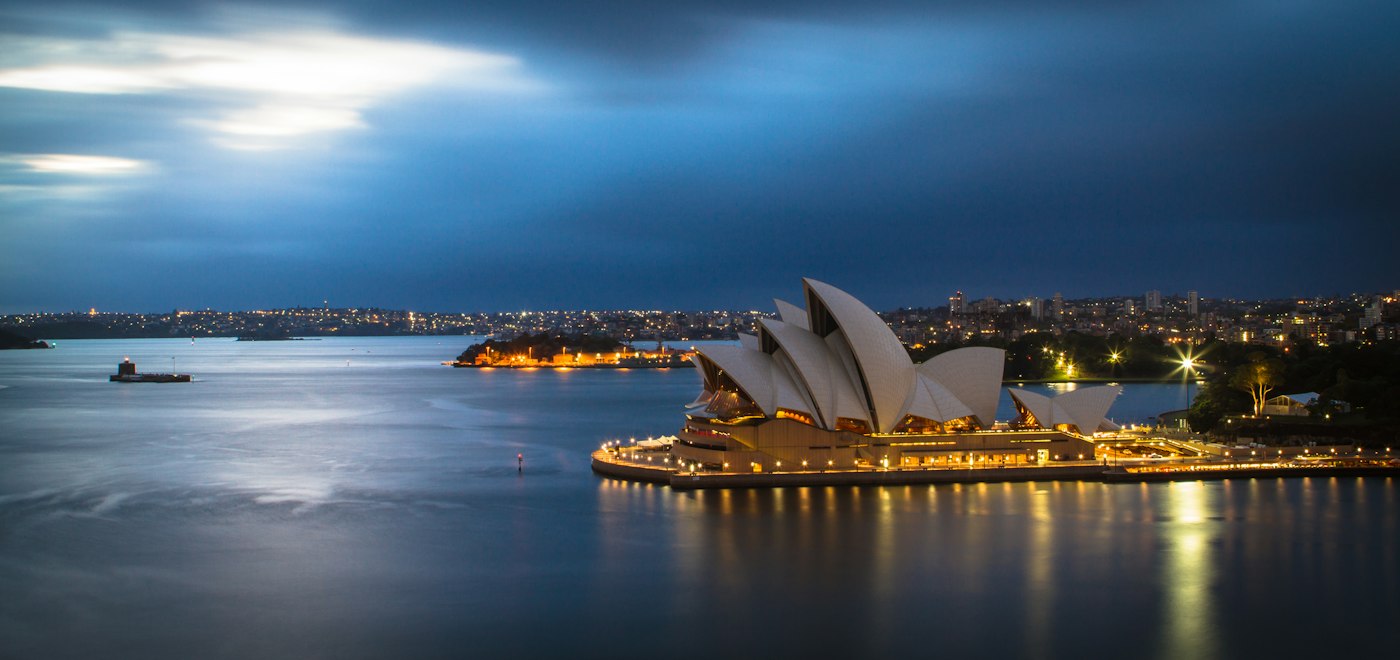
- Sydney: The Opera House at dawn (shoot from Mrs Macquarie's Chair for the classic composition with the Harbour Bridge), the Blue Mountains a 90-minute drive west, and Bondi Beach at sunrise before the crowds.
- The Kimberley (Western Australia): One of the world's great wilderness regions — ancient gorges, horizontal waterfalls, Aboriginal rock art, and remote coastlines. Best accessed on a self-drive 4WD trip along the Gibb River Road.
- Great Ocean Road (Victoria): 243 km of coastal driving past the Twelve Apostles rock stacks, rainforest, and dramatic sea cliffs — one of the world's great road trips. The Apostles at sunrise, with mist in the gorges, is the key shot.
- Tasmania: The island state is 40% national park — ancient rainforest, dolerite mountain ranges, and some of the cleanest air and darkest skies on Earth.
When to Go
Australia's seasons vary dramatically by region. The tropical north (Queensland, Northern Territory) is best visited in the dry season (May–October). The southeast (Sydney, Melbourne) has its best weather from October to April. The Red Centre is bearable from April to September (avoiding the summer heat of 45°C+). Western Australia's south is best from September to November when wildflowers bloom across the landscape.

Practical Tips
- Internal flights are essential for covering distances — budget airlines Jetstar and Rex connect most cities cheaply.
- Hire cars are excellent value and roads are well maintained; a 4WD opens up the Kimberley and remote national parks.
- Always carry plenty of water in remote areas — dehydration is a genuine risk. Let someone know your itinerary.
- The Australian sun is extremely intense — high-factor sunscreen, hat, and UV-protective clothing are non-negotiable.
- Working holiday visas (for under-35s from eligible countries) allow extended stays and funded travel through seasonal work.